
How to Upholster Tissue Boxes with Leftover Fabric
Home Neighborhood Groups Community Service Events About Us Contact Us Tips & Tricks Join the…
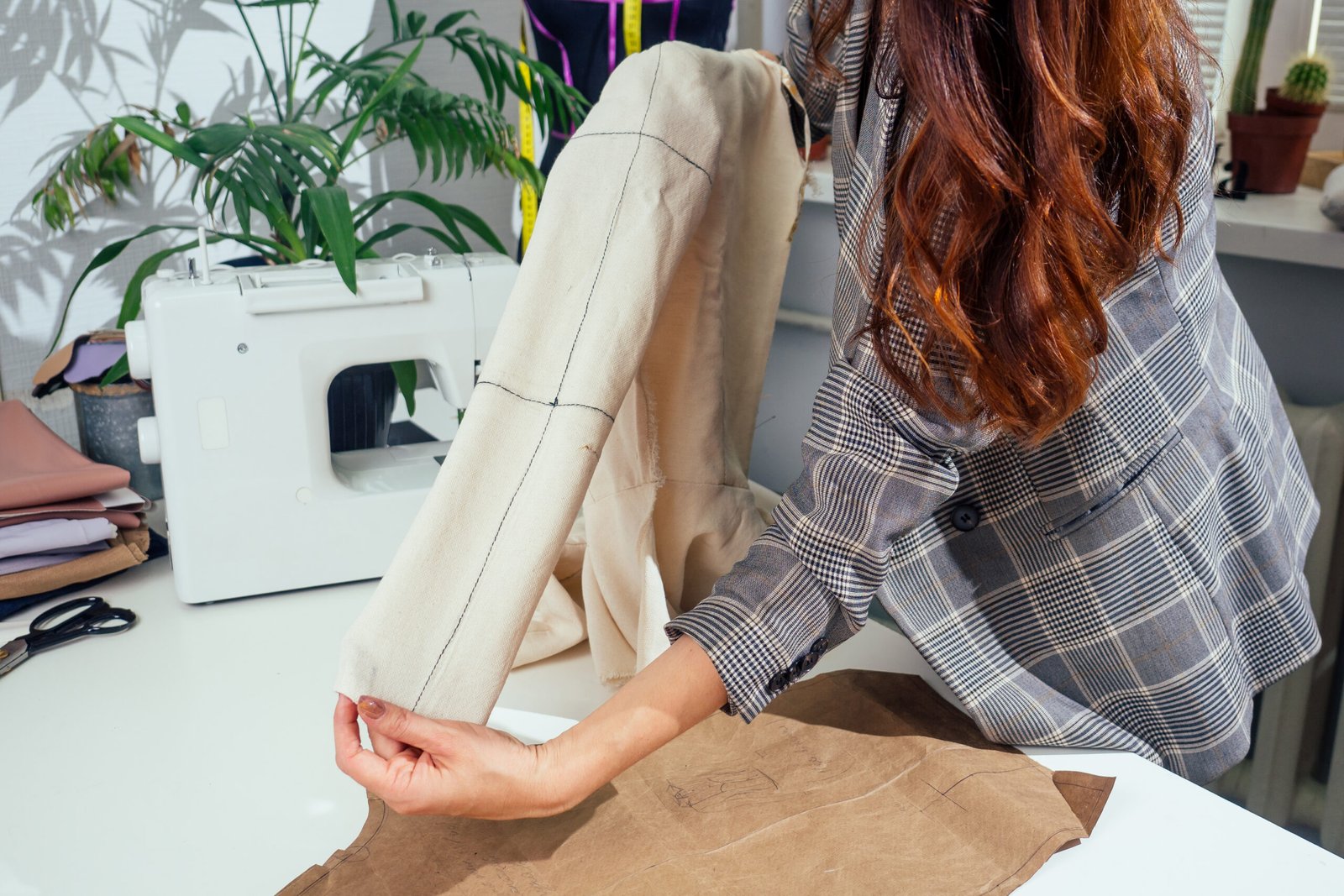
Before diving into the intricacies of sleeve sewing pattern alterations, it’s essential to grasp the foundational elements that define sleeve patterns. Sleeves come in a diverse array of styles—from classic set-in sleeves to raglan, kimono, and beyond—each bringing unique characteristics and construction methods. At their core, sleeve patterns are designed as two-dimensional templates that, when sewn, form the three-dimensional shape required to fit the arm comfortably while complementing the garment’s overall silhouette.
The anatomy of a typical sleeve pattern includes key components such as the sleeve cap (the upper curved portion that attaches to the garment’s armhole), the underarm seam, and the wrist or cuff opening. Understanding the measurements and curves of these elements is crucial, as they directly influence the fit, mobility, and appearance of the finished garment. For instance, the sleeve cap height determines how closely the sleeve hugs the shoulder, while the width at the bicep area affects ease of movement.
Beginners often overlook the importance of matching notches, grainlines, and balance points marked on the pattern. These markings are more than mere guidelines—they ensure that the sleeve aligns perfectly with the garment body, preventing issues such as twisting or bunching. Knowing how to read and interpret these markings is the first step toward mastering sleeve alterations.
With a solid understanding of these basics, sewers are empowered to approach alterations with confidence, ensuring every adjustment leads to a perfectly tailored fit. This foundational knowledge sets the stage for exploring more advanced techniques in sleeve pattern modification.
When creating garments, achieving the perfect sleeve fit can be surprisingly challenging. Many sewists, from beginners to seasoned professionals, encounter recurring sleeve fit problems that can compromise both comfort and appearance. Recognizing these issues early is the first step toward mastering sleeve sewing pattern alterations and ensuring your finished projects look polished and feel comfortable.
Understanding and identifying these sleeve fit problems empowers you to make precise sewing pattern alterations. With the right approach, you can transform awkward-fitting sleeves into beautifully tailored elements that enhance the overall garment. Next, let’s explore simple techniques for addressing these common sleeve issues.
Before embarking on any sleeve sewing pattern alteration, assembling the right tools and materials is essential. The quality and precision of your alterations depend largely on having these items at hand, ensuring both accuracy and ease as you modify your patterns for the perfect fit.
With these tools and materials prepared, you’ll be well-equipped to tackle any sleeve sewing pattern alteration, setting a strong foundation for the techniques that follow.
Achieving the perfect fit for your garments often comes down to the details, and the sleeve length is one of the most noticeable aspects. Whether you’re working with a commercial pattern or drafting your own, knowing how to alter sleeve length ensures your sleeves are neither too short nor awkwardly long. Here is a straightforward guide to help you adjust the sleeve sewing pattern with confidence and precision.
Begin by gathering your sleeve pattern piece, a ruler, pencil, scissors, tape, and extra paper. Lay the pattern on a flat surface to avoid distortion. Ensure you have accurate measurements by trying on a muslin or measuring your arm from shoulder to wrist for long sleeves, or to your desired length for shorter styles.
Identify the “lengthen or shorten here” line on the sleeve pattern. If not present, draw a line perpendicular to the grainline, midway between the sleeve cap and hem. This area is ideal because it maintains the sleeve’s overall shape and fit.
After altering, redraw the side seam lines to create a smooth transition, eliminating any jagged edges. This step ensures your new sleeve length will sew together cleanly with the bodice.
Double-check your alterations by comparing the adjusted sleeve with the original pattern or garment. Make a quick muslin to confirm the fit before cutting your final fabric. Adjusting sleeve length is a simple but essential technique, paving the way for perfectly tailored, professional-looking results.
Achieving the ideal sleeve width and shape is essential for both comfort and style in any garment. Whether you are refining a commercial sleeve sewing pattern or creating a custom piece, paying attention to these subtle adjustments can dramatically enhance your finished look. Understanding how to alter sleeve width and shape empowers you to address common issues such as tightness around the upper arm, excessive bagginess, or an awkward silhouette.
Start by analyzing the existing sleeve fit. Wear a muslin or test garment and examine how the sleeve sits on your arm. Note areas of tightness, particularly at the bicep, and watch for excess fabric at the wrist or elbow. This hands-on assessment is crucial for pinpointing where alterations are necessary.
Consider the silhouette you desire—straight, tapered, or bell-shaped—and redraw the side seams to reflect this. Use a French curve or ruler for crisp, symmetrical lines. Always check that the sleeve cap matches the armhole for a seamless fit.
By methodically adjusting width and shape, you create sleeves that not only flatter but also move effortlessly with your body, elevating the overall garment. Next, let’s explore techniques for modifying sleeve length to suit your style preferences.
Home Neighborhood Groups Community Service Events About Us Contact Us Tips & Tricks Join the…
Home Neighborhood Groups Community Service Events About Us Contact Us Tips & Tricks Join the…
Home Neighborhood Groups Community Service Events About Us Contact Us Tips & Tricks Join the…
Home Neighborhood Groups Community Service Events About Us Contact Us Tips & Tricks Join the…