
How to Upholster Tissue Boxes with Leftover Fabric
Home Neighborhood Groups Community Service Events About Us Contact Us Tips & Tricks Join the…
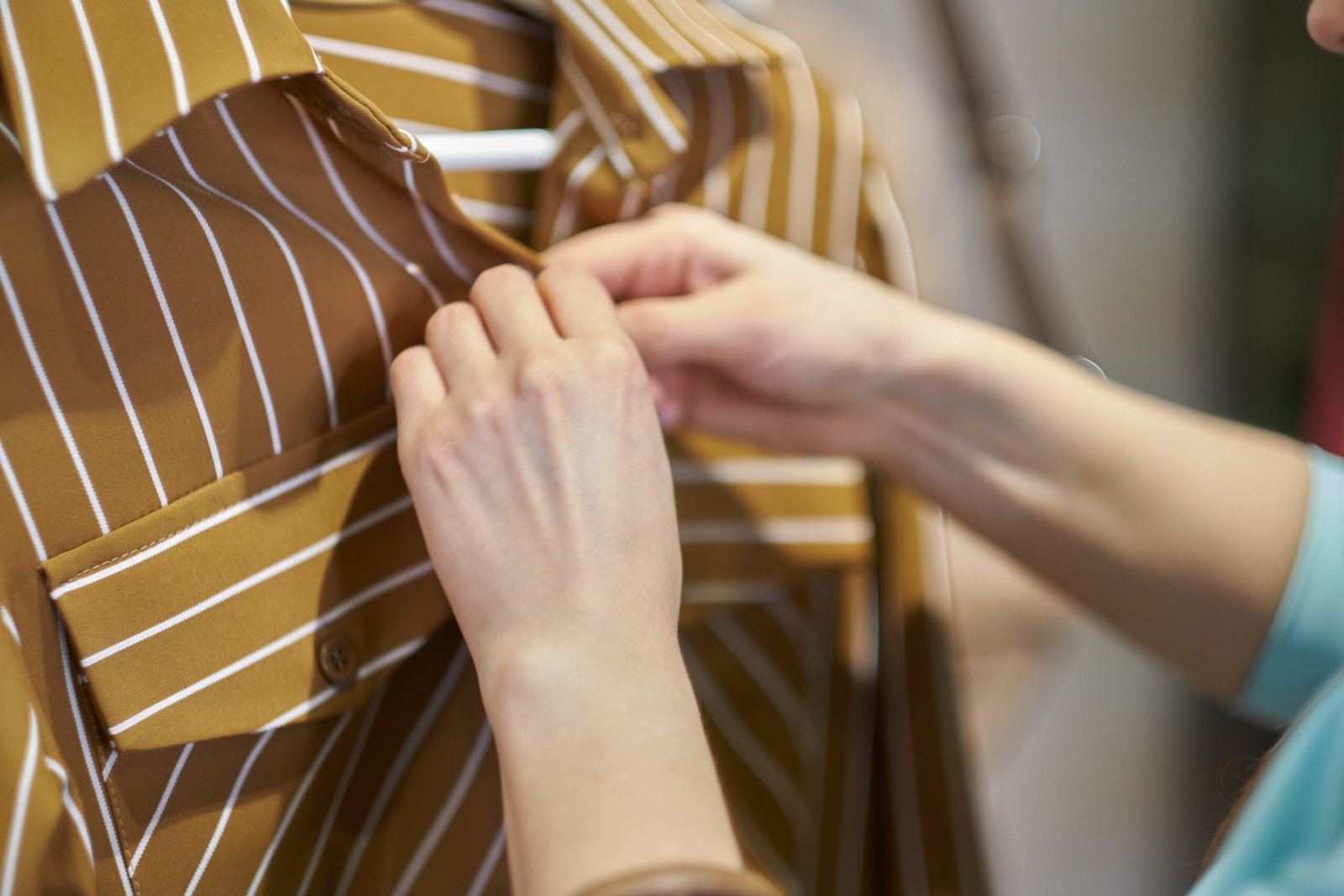
Shirtmaking, at its core, is the artful blend of precision, technique, and creativity. To achieve professional results, it is essential to grasp the foundational elements that underpin every expertly crafted shirt. Mastering these basics provides the building blocks for more advanced techniques and ensures consistent, high-quality outcomes, whether you are sewing for personal satisfaction or professional pursuits.
Preparation is the unsung hero of shirtmaking. Carefully prewashing fabrics, pressing components, and marking guidelines lay the groundwork for flawless construction. Attentive preparation, paired with foundational knowledge, transforms a simple project into a polished, professional garment.
With these foundations in place, aspiring shirtmakers are well-equipped to explore advanced techniques, unlocking new levels of creativity and skill in every stitch.
Selecting the appropriate fabrics and materials is a critical foundation for achieving professional results in shirtmaking. The choices you make at this stage will influence not only the appearance and comfort of the finished shirt but also its durability and ease of care. Understanding fabric types, their properties, and how they interact with different shirt designs is essential for both novice and experienced makers.
Cotton remains the most popular fabric for shirts, valued for its breathability, softness, and versatility. Within cotton, there are several varieties to consider:
While cotton is a staple, exploring other materials can yield unique results. Linen provides a lightweight, breathable option for warmer climates, although it tends to wrinkle more easily. Blended fabrics, such as cotton-polyester, offer increased durability and easier maintenance, making them suitable for everyday wear. For luxury shirts, silk and fine wool introduce a touch of sophistication, though they require more attentive care.
When selecting materials, consider the shirt’s intended use, required care, and desired finish. Always examine weave density, fiber quality, and colorfastness to ensure lasting quality. Investing time in choosing the right fabrics and complementary materials, such as interfacing and quality buttons, sets the stage for a polished, professional garment that stands the test of time.
With the right foundation in place, the next step is mastering the precise construction techniques that bring your shirt to life.
Achieving a polished, professional shirt begins long before the first stitch is sewn—it starts with meticulous cutting and measuring. The foundation of any expertly crafted shirt lies in the accuracy of these preliminary steps, where attention to detail ensures every subsequent process aligns perfectly.
Precision in measuring is the cornerstone of shirtmaking. Begin by taking comprehensive body measurements, including chest, waist, shoulder, arm length, and neck circumference. Use a flexible measuring tape and record each figure diligently. Double-check measurements to eliminate errors, as even a minor discrepancy can impact the shirt’s fit and overall appearance.
Once measurements are confirmed, lay out the chosen fabric on a flat, clean surface. Carefully smooth out any wrinkles to prevent distortion. Position your pattern pieces with respect to the fabric’s grainline—this helps maintain structure and prevents unwanted stretching or warping over time. Secure patterns with weights or pins for stability.
Use sharp fabric scissors or a rotary cutter to ensure crisp, clean edges. Cut slowly and steadily, following the pattern lines with precision. Avoid lifting the fabric excessively, as this can shift the pattern and compromise accuracy. Each piece should match the intended dimensions exactly, forming the basis for seamless assembly.
By dedicating time to precise cutting and measuring, you lay the groundwork for a shirt that boasts professional results—ensuring every detail, from fit to finish, meets the highest standards as you progress to the next stages of construction.
Achieving a professional finish in shirtmaking hinges on mastering the art of seams and stitching. These fundamental techniques not only determine the structural integrity of your garment but also set the tone for its aesthetic appeal. Whether you are an experienced tailor or an enthusiastic beginner, understanding the nuances of different seams and stitches is essential for crafting shirts that exude quality.
Precise, even stitching is vital for a shirt’s professional presentation. Utilize a fine needle and all-purpose thread for consistency, and maintain an even stitch length—typically between 2.5mm and 3mm. Reinforce stress points, such as collars and cuffs, with backstitching for longevity.
By perfecting these seams and stitching methods, you lay the foundation for shirts that are both durable and elegantly finished, setting the stage for advanced shirtmaking techniques.
Achieving a truly professional shirt requires more than precise pattern cutting and meticulous stitching; it is the finishing touches that set expertly crafted garments apart. These subtle details, though often overlooked by the untrained eye, elevate a shirt from simply well-made to exceptional. Every seam, buttonhole, and edge should reflect a commitment to quality and attention to detail.
One of the most crucial steps in shirtmaking is a careful, thorough press. Ironing each segment as you sew—collar, cuffs, yoke, and sleeves—ensures crisp lines and smooth surfaces. A final, comprehensive pressing after assembly gives the shirt a refined structure and an immaculate appearance, removing any signs of construction and setting the fabric’s drape beautifully.
Hand-sewn or precisely machine-stitched buttonholes can make a dramatic difference in the shirt’s quality. Ensure each buttonhole is uniform, tight, and cleanly finished to prevent fraying. Carefully select buttons that complement the shirt’s fabric and style, and sew them securely with a shank to allow easy fastening and longevity.
Trim all loose threads and tidy up raw edges with techniques such as narrow hem or bias binding for a flawless interior and exterior finish. Even the inside of the shirt should look as neat as the outside, signaling true craftsmanship.
By focusing on these finishing touches, you transform a basic shirt into a garment that exudes professionalism, durability, and style—making it worthy of any discerning wardrobe.
Home Neighborhood Groups Community Service Events About Us Contact Us Tips & Tricks Join the…
Home Neighborhood Groups Community Service Events About Us Contact Us Tips & Tricks Join the…
Home Neighborhood Groups Community Service Events About Us Contact Us Tips & Tricks Join the…
Home Neighborhood Groups Community Service Events About Us Contact Us Tips & Tricks Join the…