
Step by Step Guide to Making a Bowl Cozy at Home
Home Neighborhood Groups Community Service Events About Us Contact Us Tips & Tricks Join the…
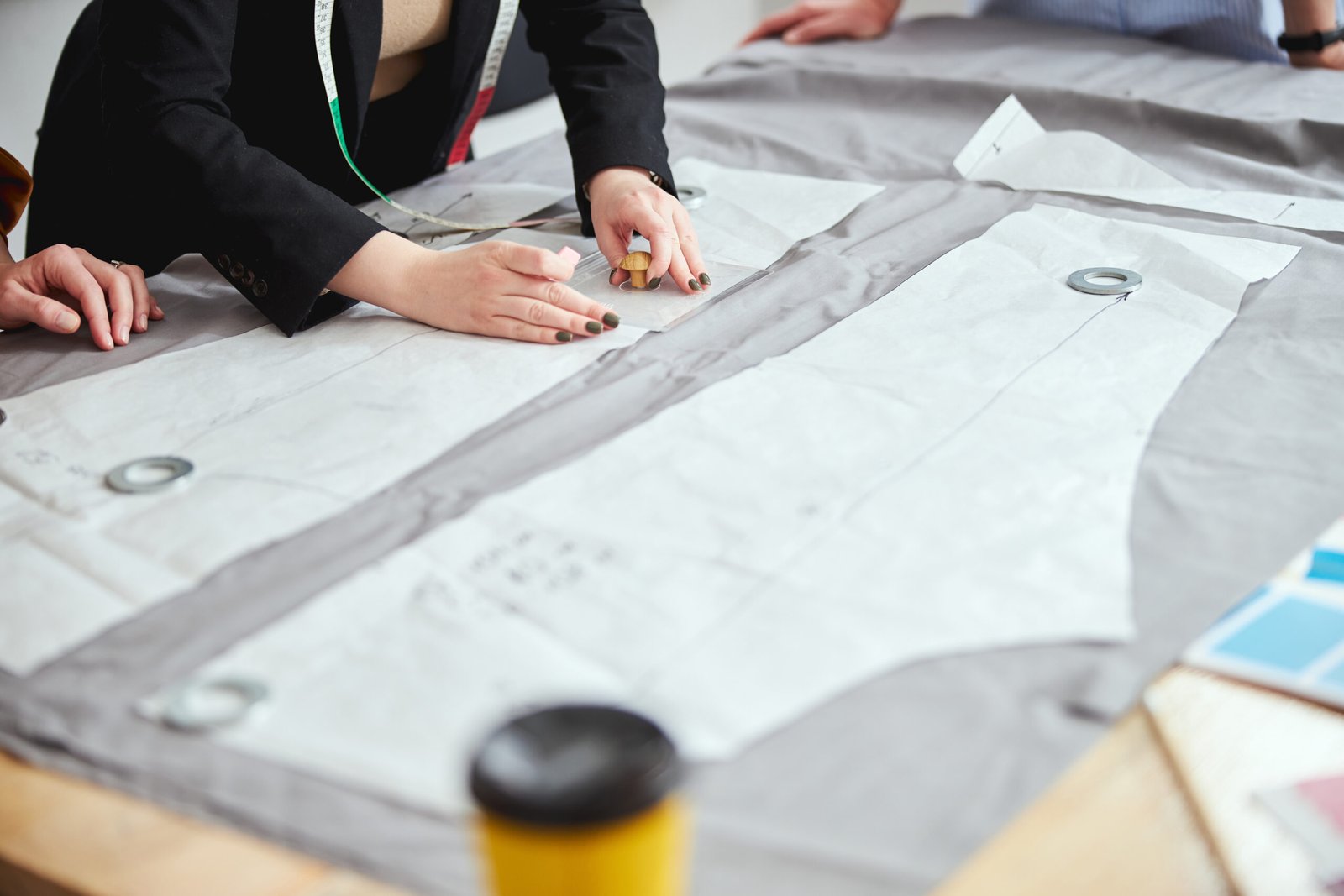
Before embarking on the journey to achieve a custom fit, it’s crucial to grasp the fundamentals of pants sewing patterns. At their core, pants patterns are blueprints that dictate the shape, style, and construction of your garment. Each pattern comes with a set of pieces—such as the front leg, back leg, waistband, and pockets—designed to be cut and assembled together. The accuracy of these pieces is vital, as even minor discrepancies can significantly affect comfort and appearance.
Most commercial patterns are drafted based on average body measurements, which means they rarely accommodate individual proportions perfectly. Key elements like rise, inseam, hip, and waist circumference are standardized, often necessitating adjustments for a truly tailored fit. Understanding how these measurements correspond to your unique body shape is the first step in modifying any pattern. Recognizing pattern markings, notches, and grainlines further ensures precise construction, setting the foundation for successful customization in subsequent steps.
Achieving a custom fit begins with understanding the essential areas where pants must align with your body’s unique contours. The most critical fit points include the waist, hips, seat, rise, and inseam. Each of these areas plays a significant role in overall comfort and silhouette, influencing not only how the pants feel but also how they look when worn.
Careful attention to these key fit points is the foundation for adjusting patterns and achieving a truly personalized pair of pants.
Before embarking on any pants pattern adjustment, gathering the right tools and materials is essential for achieving a precise, custom fit. These foundational items not only simplify the process but also ensure that your modifications are accurate and repeatable, paving the way for professional-looking results.
With these tools and materials at your disposal, you’ll be well-equipped to proceed confidently to the next stage of pattern customization.
Achieving a perfect fit starts with tailoring the waist of your pants sewing pattern. Begin by measuring your natural waistline using a flexible tape measure, ensuring it sits comfortably without being too tight. Compare this measurement to the waistline on your chosen pattern. If adjustments are needed, use a ruler to mark the amount to be added or subtracted at the pattern’s side seams.
For minor changes, distribute the alteration evenly on both sides. Slash the pattern vertically at the side seams, then spread or overlap the pieces to add or reduce width. Secure the adjusted pattern with tape and blend any sharp edges for a smooth transition. Redraw the waistline curve to maintain the original shape. Always check that the waistband piece matches the new waist measurement.
Once alterations are complete, pin or baste the fabric pieces together and try on the garment to confirm a comfortable, custom fit before final stitching. This careful process ensures your finished pants will sit perfectly at your waist.
Achieving a flawless fit at the hips is crucial when adjusting pants sewing patterns for a custom fit. The hips play a pivotal role in both comfort and appearance, as this area often dictates how the entire garment drapes on the body. Begin by accurately measuring your fullest hip circumference, ensuring the tape is parallel to the floor and not too tight. Compare your measurement to the pattern’s hip measurement; if there’s a discrepancy, adjustments are necessary.
If you need to increase or decrease the hip width, the alteration should be made at the side seams. Draw a smooth, gradual line from the waist down to the hip curve, blending seamlessly into the original pattern shape. For a balanced result, adjust both front and back pattern pieces equally. Additionally, consider the placement of darts and ease allowance, as these elements affect not just fit but also movement and comfort. Properly tailored hips prevent pulling, bunching, or sagging, leading to pants that look polished and feel comfortable all day long. With hips adjusted, you set the foundation for further customizations down the pant leg.
Achieving a custom fit in pants hinges on careful adjustments to the hips and thighs, as these areas often dictate overall comfort and silhouette. When working with sewing patterns, it’s crucial to analyze the pattern’s measurements against your own body dimensions. Begin by measuring the fullest part of your hips and the circumference of your thighs. Compare these numbers to the pattern’s size chart, noting any discrepancies that may affect ease or movement.
If you need to increase or decrease width, slash-and-spread or overlap methods work effectively. For fuller hips or thighs, carefully cut the pattern along the adjustment lines and spread the pieces evenly, adding tissue paper to maintain the pattern’s integrity. Conversely, for a slimmer fit, overlap the pieces and tape them securely. Always make changes symmetrically to preserve the garment’s balance. After adjustments, true the seam lines to ensure smooth, continuous curves, which prevents puckering or distortion during assembly.
This careful approach ensures your pants not only fit your unique shape but also allow for natural movement, setting the stage for further customizations in other areas of the pattern.
Attaining a truly flattering custom fit when adjusting pants sewing patterns hinges on thoughtful preparation and precise execution. Begin by taking accurate body measurements—waist, hips, inseam, and rise—using a flexible measuring tape. These numbers serve as the foundation for pattern adjustments, ensuring that modifications reflect your actual body shape rather than a standard size chart.
With careful measurement and strategic adjustments, your customized pants will both complement your figure and provide lasting comfort.
Home Neighborhood Groups Community Service Events About Us Contact Us Tips & Tricks Join the…
Home Neighborhood Groups Community Service Events About Us Contact Us Tips & Tricks Join the…
Home Neighborhood Groups Community Service Events About Us Contact Us Tips & Tricks Join the…
Home Neighborhood Groups Community Service Events About Us Contact Us Tips & Tricks Join the…