
Step by Step Guide to Making a Bowl Cozy at Home
Home Neighborhood Groups Community Service Events About Us Contact Us Tips & Tricks Join the…
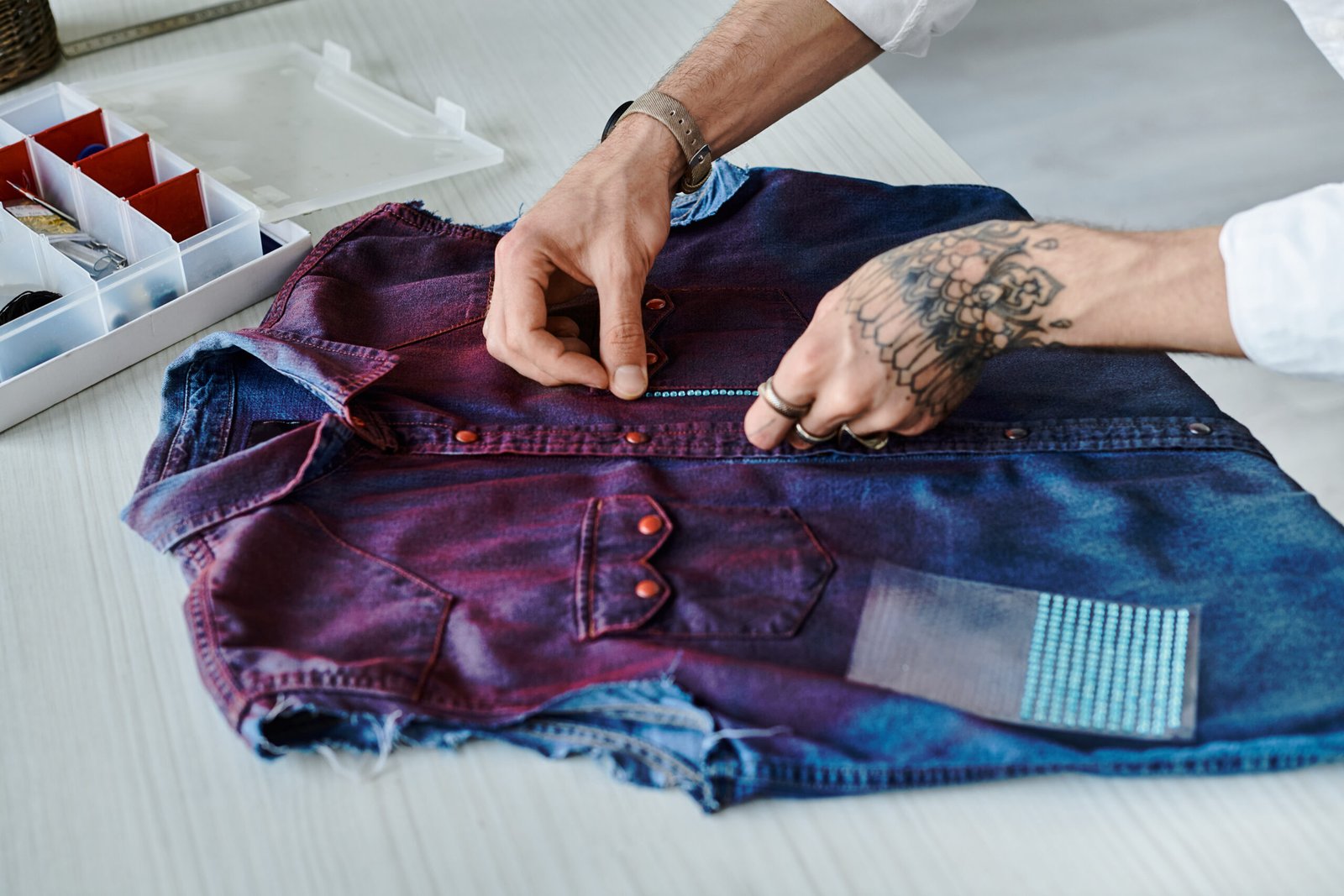
Denim vests have long held a special place in the world of fashion, seamlessly blending versatility, durability, and timeless style. Their enduring appeal lies in their ability to complement a wide range of outfits, making them a staple for wardrobes across generations. Whether paired with casual tees, layered over dresses, or styled with crisp shirts, denim vests effortlessly add a touch of individuality and rugged charm to any ensemble.
One of the key reasons for their popularity is the fabric itself. Denim, known for its sturdy weave and longevity, offers both comfort and structure. This unique combination ensures that denim vests maintain their shape while adapting to the wearer’s silhouette over time, resulting in a truly personalized fit. The fabric’s capacity to evolve, developing subtle fades and characterful wear patterns, makes each vest uniquely reflective of its owner’s journey.
Another aspect that makes denim vests so appealing is their versatility. They transition seamlessly between seasons—functioning as a lightweight layer in spring or summer and as a stylish accent under heavier coats during cooler months. Additionally, denim vests provide a blank canvas for personal expression. From classic blue washes to distressed finishes, embroidery, or the addition of patches and pins, the customization possibilities are virtually endless.
In essence, the enduring allure of denim vests stems from their practical advantages, adaptability, and potential for creative self-expression. As we delve further into the essential tools and techniques for sewing your own denim vest, it’s clear that understanding their widespread appeal is the perfect starting point for any sewing enthusiast.
Selecting the appropriate denim fabric is the essential first step in crafting a stylish and durable denim vest. The choice you make will directly influence the garment’s comfort, longevity, and overall appearance. Denim comes in a variety of weights, washes, and compositions, each offering unique characteristics suited for different vest styles.
Denim fabric is typically categorized by its weight, measured in ounces per square yard. Lightweight denim (4-8 oz) drapes easily and is ideal for vests intended for layering or warmer climates. Medium-weight denim (9-12 oz) strikes a balance between structure and comfort, making it a versatile choice for most vest patterns. Heavyweight denim (13 oz and above) offers rugged durability, perfect for workwear-inspired vests but may require specialized sewing equipment due to its thickness.
Consider the wash and finish of the denim as well. Raw or unwashed denim retains a deep indigo hue and develops a personalized fade over time, giving your vest unique character. Pre-washed or stonewashed denim offers a softer feel and a lived-in look right from the start, reducing the need for break-in and providing instant comfort.
While traditional denim is 100% cotton, modern blends may include spandex or polyester for added stretch and resilience. A touch of stretch can enhance mobility and fit, especially for more form-fitting vest designs.
By thoughtfully selecting the right denim fabric based on weight, wash, and composition, you set the foundation for a successful, long-lasting denim vest project that meets both style and functional needs.
When embarking on a denim vest sewing project, having the right tools at your disposal is the cornerstone of achieving professional, durable results. Denim, with its dense weave and sturdy texture, demands more from your toolkit than standard lightweight fabrics. Equipping yourself with specialized sewing tools not only streamlines the process but also elevates the quality of your finished garment.
By assembling these essential sewing tools, you are well-prepared to tackle the unique challenges of denim. With the right equipment, every stitch becomes smoother, allowing your creativity to take center stage as you bring your custom denim vest to life.
Sewing a denim vest requires a blend of precision, patience, and the right approach to handle this sturdy fabric. Whether you are a seasoned seamstress or an enthusiastic beginner, following a systematic process ensures your project unfolds smoothly and yields a professional finish.
Begin by choosing a vest pattern that suits your style and skill level. Carefully lay out your denim fabric, ensuring the grain aligns with the pattern markings. Pin or trace the pattern pieces onto the fabric, paying close attention to any directional prints or stretch in the denim. Accurate cutting is crucial—sharp fabric scissors or a rotary cutter will help you achieve clean lines.
Start construction by joining the shoulder seams with a sturdy stitch, such as a straight or reinforced seam. Next, attach the side seams, pressing them open for a flat, even finish. When working with denim, use a denim needle and heavy-duty thread to prevent breakage and maintain stitch quality.
Carefully topstitch along the seams for added durability and that classic denim look. Attach the collar or facing following your pattern’s instructions, making sure to understitch where necessary for a crisp edge. Finish armholes and hems by folding under the raw edges and securing them with a double row of stitching or bias tape for a clean interior.
By adhering to these step-by-step techniques, you’ll create a denim vest with structure, style, and lasting appeal—setting the stage for embellishments or personal touches in the next phase of your sewing journey.
The final phase in crafting a denim vest is all about elevating your creation from simply sewn to truly polished. Finishing touches not only enhance the vest’s appearance but also ensure durability and comfort for everyday wear. Begin by meticulously trimming loose threads and inspecting all seams for consistency. Topstitching along the edges and prominent seams is a hallmark of quality denim garments; it adds both strength and a professional finish. Opt for contrasting or classic gold thread to echo the iconic denim look.
Don’t overlook the power of hardware. Adding sturdy snaps, decorative buttons, or metal rivets can imbue your vest with unique character and reinforce stress points. For those who crave personalization, consider subtle embellishments such as embroidered patches, fabric paint, or even hand-stitched details. These elements transform your vest into a one-of-a-kind statement piece.
With thoughtful finishing and mindful care, your handmade denim vest will remain a wardrobe staple—ready to showcase your craftsmanship and style for years to come.
Home Neighborhood Groups Community Service Events About Us Contact Us Tips & Tricks Join the…
Home Neighborhood Groups Community Service Events About Us Contact Us Tips & Tricks Join the…
Home Neighborhood Groups Community Service Events About Us Contact Us Tips & Tricks Join the…
Home Neighborhood Groups Community Service Events About Us Contact Us Tips & Tricks Join the…