
Step by Step Guide to Making a Bowl Cozy at Home
Home Neighborhood Groups Community Service Events About Us Contact Us Tips & Tricks Join the…
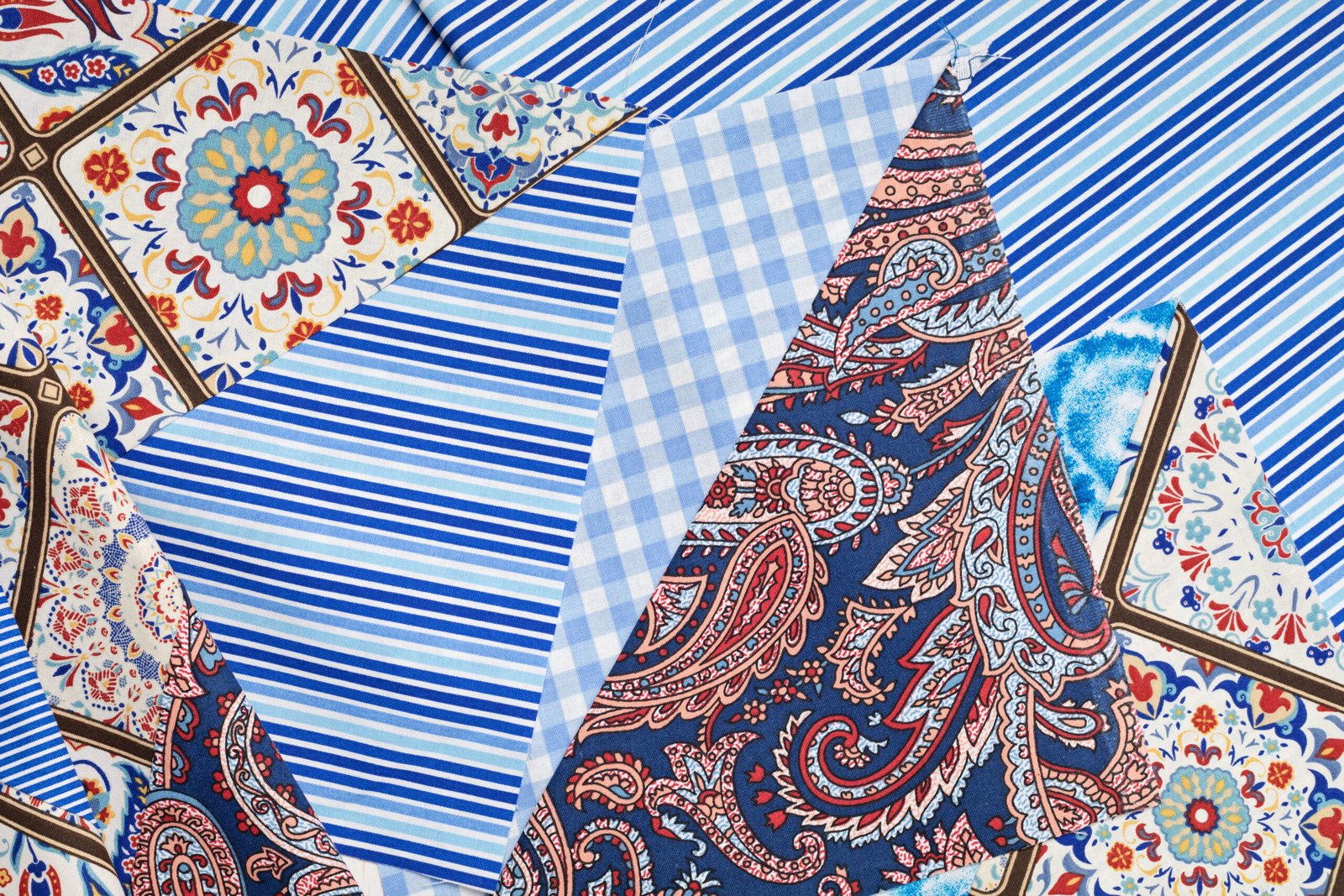
Crumb quilting is a captivating patchwork technique that invites quilters to embrace creativity and sustainability. Unlike traditional quilting, which often relies on uniform fabric pieces and predetermined patterns, crumb quilting is all about improvisation. At its core, crumb quilting involves stitching together small, irregular fabric scraps—known as “crumbs”—to create unique and vibrant quilt blocks. This method transforms even the tiniest leftover pieces into something beautiful, making it ideal for beginners looking to minimize waste while exploring their artistic side.
The charm of crumb quilting lies in its freedom and unpredictability. There are no strict rules or templates to follow. Instead, quilters can experiment with color, texture, and shape, allowing the design to evolve organically with each stitch. This process not only encourages resourcefulness but also fosters a sense of satisfaction as seemingly insignificant scraps come together to form a cohesive, eye-catching quilt top.
By understanding the basics of crumb quilting, beginners can embark on a rewarding journey that combines sustainability, creativity, and the joy of quilting—all while turning scraps into stunning works of art.
Before diving into the creative world of crumb quilting, it’s crucial to gather the right materials and tools to set yourself up for success. Crumb quilting, celebrated for its resourcefulness and unique artistry, relies on combining small fabric scraps—known as “crumbs”—to create vibrant, one-of-a-kind patchwork pieces. While the process is forgiving and encourages improvisation, having a well-stocked workspace ensures a smoother, more enjoyable quilting journey.
With these essential materials and tools at your fingertips, you’ll be ready to explore the endless possibilities of crumb quilting, transforming even the smallest fabric remnants into a cohesive, colorful masterpiece.
Embarking on your first crumb quilt is an exciting journey, blending creativity with resourcefulness. Crumb quilting, at its heart, is about transforming even the tiniest fabric scraps into a vibrant, one-of-a-kind masterpiece. This step-by-step guide will walk you through the process, ensuring a smooth start for beginners eager to embrace this sustainable quilting method.
Begin by collecting your fabric scraps—these can be leftovers from previous projects, cuttings from larger pieces, or even remnants gleaned from friends. You’ll also need basic quilting supplies: a rotary cutter or scissors, a cutting mat, a sewing machine or needle and thread for hand stitching, pins, and an iron.
Organize your fabric scraps by color, size, or pattern. This makes it easier to select pieces as you sew and helps you visualize your quilt’s evolving palette. Press each piece with an iron to ensure smooth seams and accurate stitching.
Choose two small scraps and place them right sides together. Sew along one edge using a quarter-inch seam allowance. Press the seam open, then attach another scrap to one of the raw edges. Continue this process, building up irregular, free-form blocks known as “crumb units.”
Once you’ve created enough crumb units, trim them to uniform sizes if desired. Arrange them into rows or patterns that please your eye, then sew these blocks together to form your quilt top. The beauty of crumb quilting lies in its flexibility—each block is unique, and there are no strict rules to follow.
With your quilt top complete, you’re ready to move on to the next steps of quilting, confident in your newfound skills and inspired by the endless possibilities crumb quilting offers.
Embarking on your crumb quilting journey begins with the delightful process of gathering and arranging fabric scraps. The beauty of crumb quilting lies in its freedom—every fragment of cloth, regardless of size or color, holds the potential to become part of a vibrant patchwork story. To make your quilts truly unique and visually appealing, approach your fabric selection with both creativity and intention.
Don’t shy away from mixing bold colors with subtle shades. Embrace contrasts between florals, geometrics, stripes, and solids to create dynamic visual interest. While you can stick to a certain color palette for cohesion, allowing pops of unexpected hues can bring your quilt to life. Lay out your scraps and experiment with combinations, noticing which groupings catch your eye and evoke excitement.
Incorporate a range of fabric textures—cotton, linen, or even lightweight denim—to add depth. When arranging, alternate between large and tiny scraps. This randomness not only maximizes the use of your smallest remnants but also adds a playful rhythm to your finished block.
Start piecing from the center, letting the shape grow organically. Rotate your block as you add scraps, avoiding predictable patterns. Step back occasionally to assess the overall balance, ensuring that no single color or print dominates.
Through thoughtful selection and intuitive placement, your crumb quilt will evolve into a captivating mosaic, reflecting both your resourcefulness and artistic flair—perfectly setting the stage for the next steps in the quilting process.
Crumb quilting, with its creative freedom and improvisational spirit, can be both exhilarating and challenging for beginners. While the process celebrates individuality and resourcefulness, there are some common pitfalls that can hinder your progress or compromise the final look of your quilt. Understanding these mistakes—and knowing how to sidestep them—will set you on the path to a more rewarding crumb quilting experience.
One frequent oversight is using fabric scraps without proper preparation. Failing to press and trim your crumbs can lead to uneven seams and a bulky, unruly quilt top. Always take the time to iron your scraps and square up edges before stitching them together. This simple step ensures smoother joins and a more polished appearance.
Another mistake beginners often make is ignoring color balance. While crumb quilting encourages spontaneity, random placement of colors and patterns can result in a visually chaotic design. To avoid this, periodically step back to assess your layout, looking for areas that might benefit from a pop of contrast or a calming neutral. A thoughtful approach to color placement elevates the overall harmony of your quilt.
Inconsistencies in seam allowances can create puckering or distortion across your crumb blocks. Maintaining a uniform seam—typically a quarter inch—helps keep your blocks square and your quilt flat. Using a seam guide or marking your sewing machine can aid in achieving consistent results.
By being mindful of these common mistakes and implementing these preventative strategies, you’ll enjoy a smoother crumb quilting journey and produce quilts you’ll be proud to display or gift.
Home Neighborhood Groups Community Service Events About Us Contact Us Tips & Tricks Join the…
Home Neighborhood Groups Community Service Events About Us Contact Us Tips & Tricks Join the…
Home Neighborhood Groups Community Service Events About Us Contact Us Tips & Tricks Join the…
Home Neighborhood Groups Community Service Events About Us Contact Us Tips & Tricks Join the…