
Step by Step Guide to Making a Bowl Cozy at Home
Home Neighborhood Groups Community Service Events About Us Contact Us Tips & Tricks Join the…
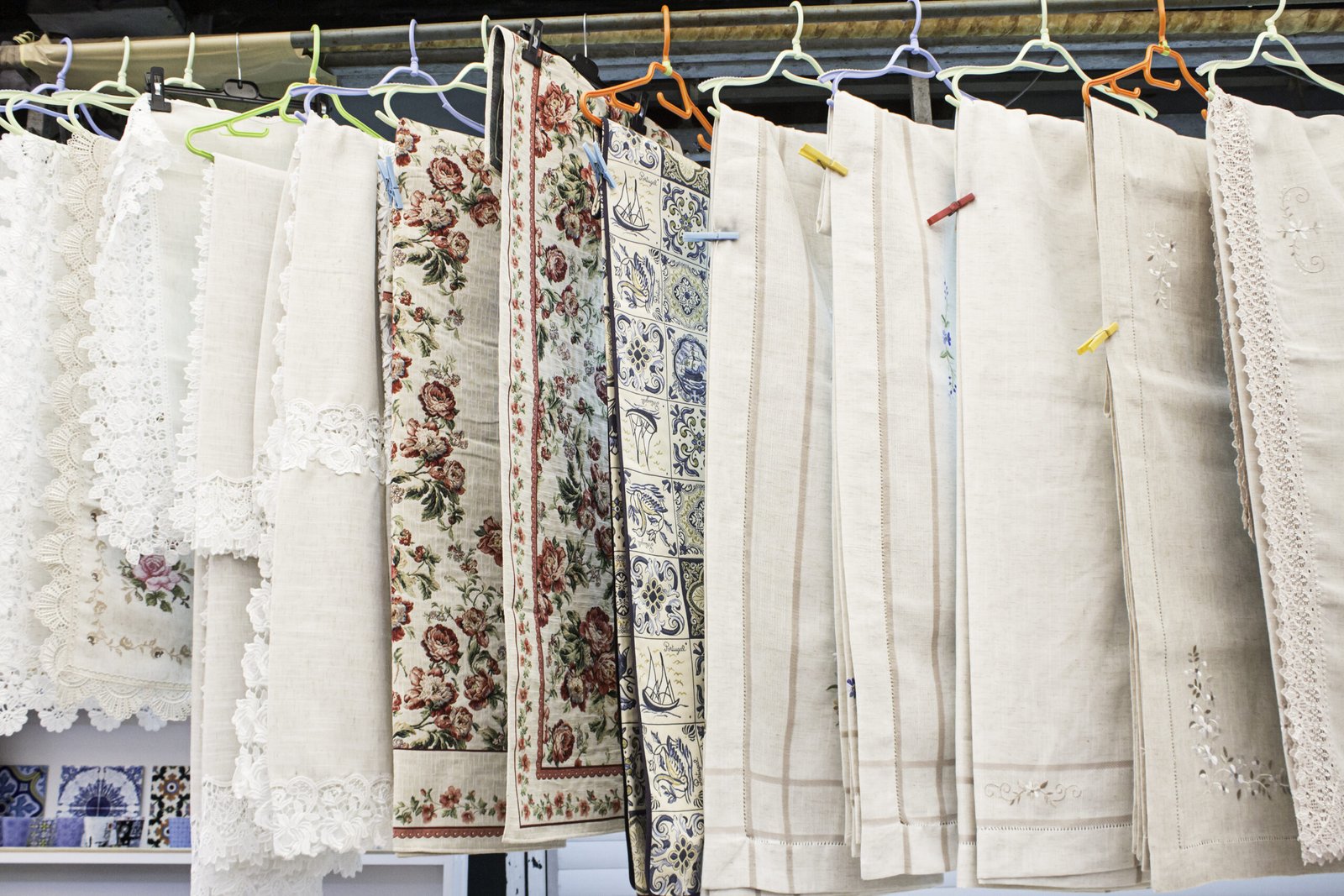
Vintage linens and handkerchiefs hold a timeless charm that continues to captivate sewing enthusiasts and collectors alike. Each piece is a delicate tapestry of history, artistry, and personal narrative. The allure of these textiles lies not only in their intricate craftsmanship—think fine embroidery, delicate lace, and hand-stitched hems—but also in the stories they silently tell. Passed down through generations or discovered at flea markets and estate sales, vintage linens evoke nostalgia, connecting us to a bygone era.
For many, the appeal of sewing with vintage linens and handkerchiefs is rooted in their quality and uniqueness. Modern fabrics often lack the character and durability of these heirloom pieces. Whether it’s the smoothness of fine Irish linen, the soft drape of antique cotton, or the subtle sheen of damask, these materials invite touch and admiration. Their patterns, from floral motifs to geometric borders, are often impossible to replicate with contemporary manufacturing techniques.
Embracing vintage linens and handkerchiefs celebrates both heritage and creativity, setting the stage for imaginative sewing projects that blend the past and present seamlessly.
Embarking on a sewing journey with vintage linens and handkerchiefs promises not only a touch of nostalgia but also the opportunity to create unique, timeless pieces. The first—and perhaps most crucial—step is selecting the right fabrics to suit your project’s vision and purpose. Vintage textiles, often sourced from estate sales, antique shops, or family heirlooms, come in a variety of textures, weaves, and decorative details that can dramatically influence the final result.
When choosing vintage fabrics, always begin by carefully inspecting their condition. Look for sturdy weaves, minimal staining, and strong fibers. Delicate lace edges, intricate embroidery, and fine cotton or linen are hallmarks of higher-quality vintage handkerchiefs and linens. Avoid pieces with excessive wear, brittleness, or extensive damage, as these flaws can complicate your sewing process and compromise the durability of your finished creation.
Consider the intended purpose of your sewing project. For items that require structure, such as tote bags or cushion covers, opt for heavier vintage tablecloths or damask napkins. For softer, more delicate creations like scarves, blouses, or baby dresses, handkerchiefs made from light cotton or linen are ideal. Always ensure the fabric’s weight and drape complement your intended design.
By thoughtfully selecting vintage fabrics tailored to your project’s needs, you set the foundation for a beautiful, lasting creation—imbued with history and charm. This careful curation will ensure your sewing journey starts on the right foot, ready for the creative steps ahead.
Before beginning any sewing project with vintage linens and handkerchiefs, careful preparation is essential to ensure the best results. These delicate fabrics often come with unique histories—embellished with intricate lace, embroidery, or fine hemstitching—and may have spent decades tucked away in drawers or trunks. Properly preparing these cherished textiles not only preserves their beauty but also makes sewing easier and more enjoyable.
Start by gently laundering your vintage linens and doilies to remove any accumulated dust, stains, or odors. Handwashing is generally recommended to protect fragile fibers. Use cold or lukewarm water with a mild, pH-neutral detergent. For stubborn stains, soak the fabric for a short period, but avoid harsh scrubbing, which can damage delicate threads and embellishments. After washing, rinse thoroughly and press out excess water by rolling the fabric in a clean towel—never wring or twist.
Once the linens are clean, lay them flat to dry, smoothing out wrinkles and gently coaxing edges back into shape. If needed, iron while still slightly damp using the lowest heat setting suitable for the material. Place a pressing cloth between the iron and the fabric to prevent scorching or further wear. Pay special attention to decorative elements, ensuring lace and embroidery are flattened but not crushed.
Carefully examine each piece for weak spots, holes, or loose threads. Secure any loose embellishments and mend minor tears with a fine needle and matching thread. Reinforcing fragile areas before you begin sewing will help prevent further damage and ensure your finished project is both beautiful and durable.
With your vintage linens and doilies now clean, pressed, and repaired, you’re ready to move on to the creative process of transforming them into something new and delightful.
Working with vintage linens and handkerchiefs requires a gentle approach, as these fabrics often possess a fragile charm that can easily be compromised by modern sewing methods. Understanding the unique qualities of delicate vintage textiles is the first step toward preserving their timeless beauty while crafting something new. The fibers in antique linens are often softer and more worn than contemporary materials, demanding both patience and precision during the sewing process.
Begin by thoroughly examining your vintage fabric for any weak spots, stains, or tears. Gently launder the material using a mild detergent, allowing it to air dry completely before handling. Always press the fabric with a cool iron to smooth wrinkles without risking scorch marks or further weakening the fibers. Using sharp, fine-point scissors will ensure clean edges, preventing additional fraying.
Opt for a fine, sharp needle—such as a size 9 or 11—paired with a lightweight cotton or silk thread. These choices reduce the risk of snagging and minimize visible punctures in the fabric. When stitching, employ small hand-sewn stitches like the slip stitch or a narrow zigzag for extra reinforcement. If using a sewing machine, set it to the lowest tension and use a short stitch length to avoid damaging the fabric’s integrity.
To prevent distortion, stabilize your vintage linen with a lightweight fusible interfacing or a tear-away stabilizer placed behind the fabric. This support is especially helpful when joining multiple handkerchiefs or piecing together intricate lacework. Always test a small area first to ensure compatibility and avoid adhesive residue.
By carefully selecting tools and techniques tailored to delicate vintage fabrics, you preserve the original character of your linens while creating heirloom-quality projects that will endure for generations.
Vintage linens and handkerchiefs possess a timeless charm, yet their delicate nature often leaves them tucked away in drawers, unseen and unappreciated. By embracing creative ways to repurpose and showcase these treasures, you can infuse your home with nostalgia and beauty while giving new life to cherished fabrics. Whether inherited from relatives or discovered at antique markets, these linens can become stunning focal points through simple yet imaginative sewing projects.
By thoughtfully repurposing vintage linens, you celebrate their craftsmanship and keep their stories alive. Each project transforms forgotten heirlooms into functional, beautiful objects, setting the stage for the next step in your sewing journey.
Home Neighborhood Groups Community Service Events About Us Contact Us Tips & Tricks Join the…
Home Neighborhood Groups Community Service Events About Us Contact Us Tips & Tricks Join the…
Home Neighborhood Groups Community Service Events About Us Contact Us Tips & Tricks Join the…
Home Neighborhood Groups Community Service Events About Us Contact Us Tips & Tricks Join the…