
Step by Step Guide to Making a Bowl Cozy at Home
Home Neighborhood Groups Community Service Events About Us Contact Us Tips & Tricks Join the…
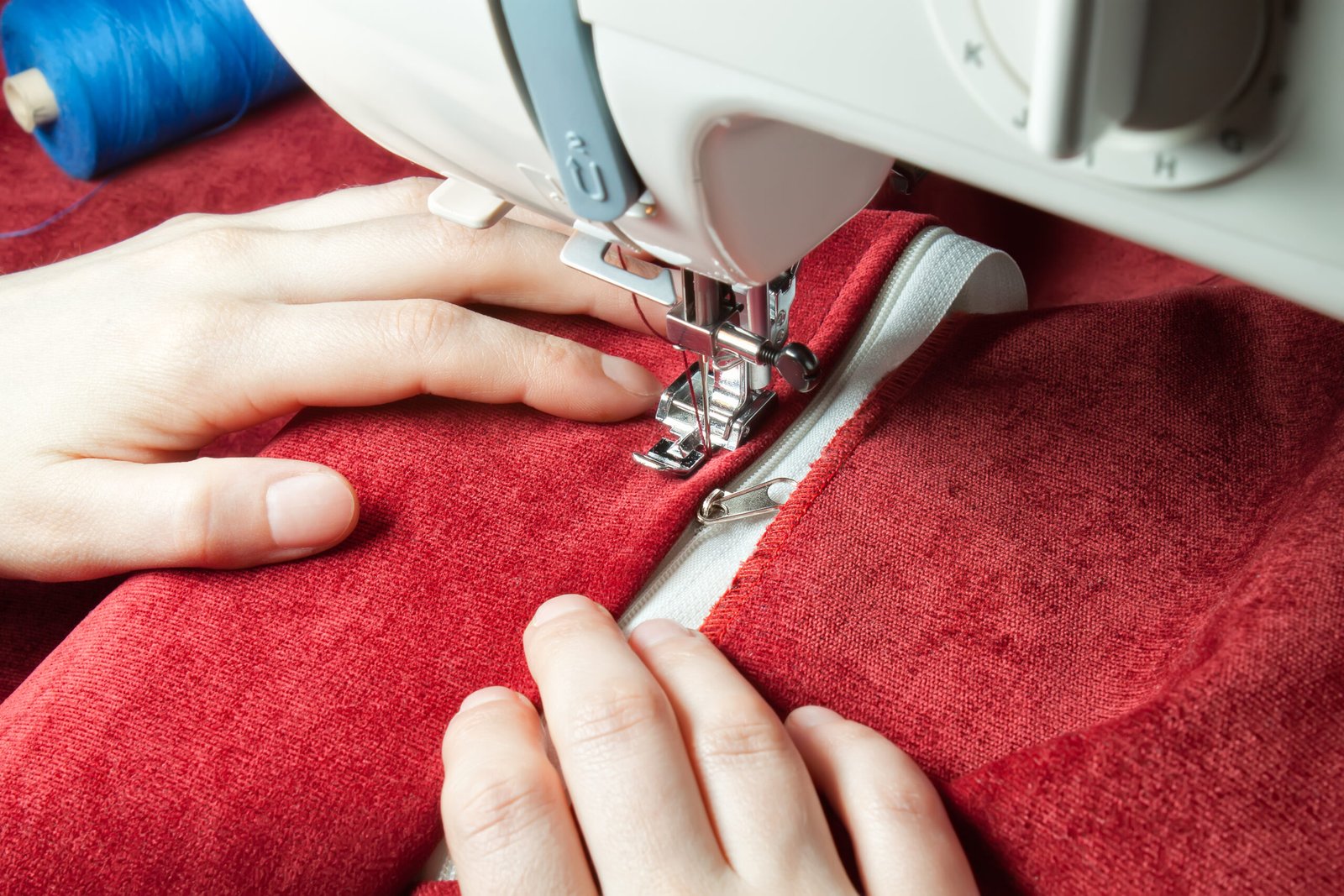
Before embarking on your next sewing project, gaining a solid grasp of the different types of zippers is essential to making an informed choice. Zippers come in a variety of styles, each with specific features and intended uses, and selecting the right one can profoundly impact both the function and finish of your creation.
Coil zippers are constructed from a continuous coil of nylon or polyester, making them lightweight and flexible. Their versatility allows them to be used in garments like dresses, skirts, and lightweight jackets, as well as in accessories such as bags and pouches. Coil zippers are renowned for their smooth operation and the ability to curve around edges seamlessly, making them ideal for projects that require a soft, subtle closure.
Metal zippers, made from brass, aluminum, or nickel, offer durability and a classic, industrial appearance. They are commonly found in jeans, trousers, and heavy-duty outerwear. The robust nature of metal zippers ensures they can withstand frequent use and substantial stress, lending a touch of vintage flair or rugged sophistication to any project.
Invisible zippers are designed to disappear into the seam, leaving only a neat, uninterrupted finish. Favored for formal wear, dresses, and skirts, these zippers provide a polished, professional appearance. Their lightweight construction and hidden profile make them a top choice when aesthetic discretion is paramount.
Understanding these common zipper types equips you to match the right closure to your sewing vision, ensuring both functionality and style align in your finished piece.
Choosing the right zipper for your sewing project is a crucial decision that directly impacts both functionality and aesthetics. With an array of zipper types, sizes, and materials available, understanding the essential factors will ensure that your creation not only looks professionally finished but also stands the test of time. Before making a selection, take a moment to evaluate your project’s specific needs and the demands it will place on the zipper.
Start by identifying the nature of your project. Is it a delicate dress, a sturdy backpack, or a cozy cushion cover? Each application requires a zipper with unique characteristics. Garments often call for lightweight, discreet options such as invisible or coil zippers, offering a seamless appearance. In contrast, bags, jackets, and upholstery benefit from robust zippers—like molded plastic or metal varieties—that can withstand frequent use and greater stress.
The zipper’s length must match the opening it will close. While some can be trimmed to size, precision is key to avoid puckering or uneven seams. Consider the zipper’s gauge as well; thinner zippers suit lightweight fabrics, while wider, sturdier zippers are ideal for heavy materials. Ensuring the right size not only simplifies installation but also enhances the finished product’s durability and visual harmony.
Material choice—be it metal, plastic, or nylon—affects both the zipper’s strength and its interaction with fabric. Additionally, selecting a color that complements or discreetly blends with your fabric adds a polished, intentional touch. These subtle choices can elevate your sewing creation from ordinary to exceptional.
By weighing these key factors, you lay a solid foundation for your project’s success, setting the stage for superior craftsmanship in every stitch.
Choosing the right zipper style for your sewing project is an essential step that can make or break the finished look and durability. Each fabric type and project requires a tailored approach to zipper selection, ensuring not only functionality but also a seamless aesthetic. Understanding the interplay between zipper styles and materials will guide you in creating polished, professional results every time.
There are several zipper varieties, each suited for specific applications:
Consider the specific requirements of your project before selecting a zipper. For structured items like bags or outerwear, opt for zippers that can withstand tension and frequent use. In contrast, for flowing garments or lightweight fabrics, prioritize zippers that won’t weigh down or distort the drape. Always match zipper color and finish to the fabric for a harmonized appearance, and test zipper functionality before sewing it in to ensure a smooth operation. Making an informed selection at this stage sets the foundation for a beautiful, long-lasting sewing creation.
Zippers are often seen as mere functional elements, but their true potential in DIY projects extends far beyond simply fastening garments. By tapping into the versatility and vivid color range of zippers, crafters can transform everyday objects into conversation pieces while adding a playful, modern twist to traditional crafts. Whether you’re seeking to upcycle materials or simply infuse your creations with a dose of personality, zippers can be the unexpected star of your next project.
One imaginative way to use zippers is by incorporating them into home décor. Create bold statement pillows by sewing colorful zipper teeth directly onto cushion covers, forming geometric patterns or whimsical designs. Zipper trim can also border lampshades or picture frames, instantly elevating the look with an industrial-chic flair.
Beyond their utilitarian purpose, zippers can be crafted into eye-catching accessories. Consider constructing a zipper bracelet by weaving together several zipper strips, or designing brooches and hair clips from intricately curled zipper pulls. These pieces not only showcase creativity but also serve as great conversation starters.
Zippers lend themselves beautifully to practical innovations like foldable pouches, expandable tote bags, or even custom wallets with multiple compartments. By experimenting with zipper placement and color blocking, DIY enthusiasts can achieve both visual impact and enhanced usability.
Embracing these creative and unexpected uses for zippers will inspire you to look at this humble notion with fresh eyes, setting the stage for the next phase of your sewing adventure.
Selecting the perfect zipper is only the first step; proper installation and ongoing care are essential to ensure your sewing project remains both functional and beautiful for years to come. Successfully installing a zipper can elevate the overall appearance of your handmade garment or accessory, while careful maintenance preserves its smooth operation and prevents premature wear.
By following these installation and care tips, you can ensure your chosen zipper remains a reliable and attractive element of your sewing creation, providing both style and functionality with every use.
Home Neighborhood Groups Community Service Events About Us Contact Us Tips & Tricks Join the…
Home Neighborhood Groups Community Service Events About Us Contact Us Tips & Tricks Join the…
Home Neighborhood Groups Community Service Events About Us Contact Us Tips & Tricks Join the…
Home Neighborhood Groups Community Service Events About Us Contact Us Tips & Tricks Join the…